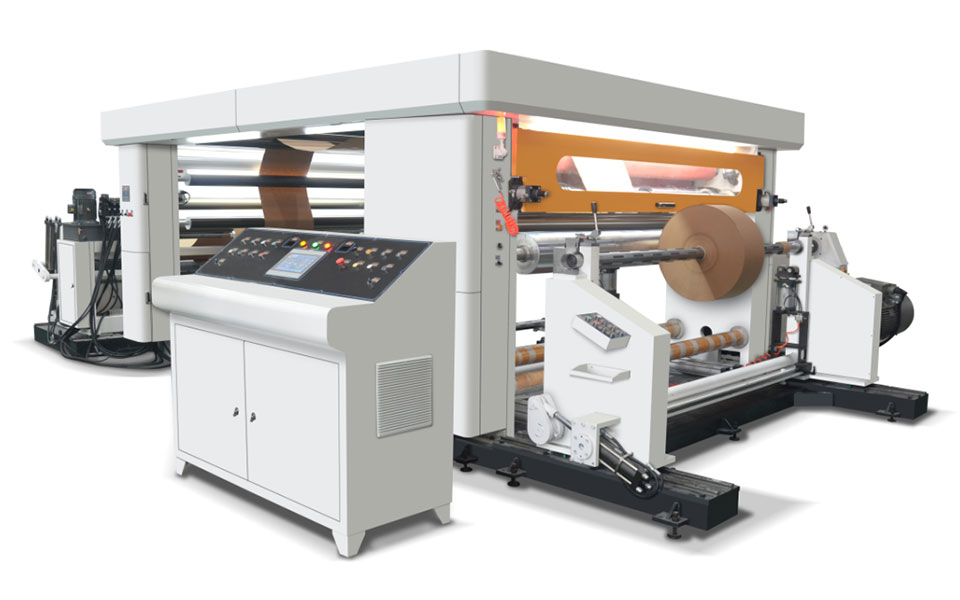
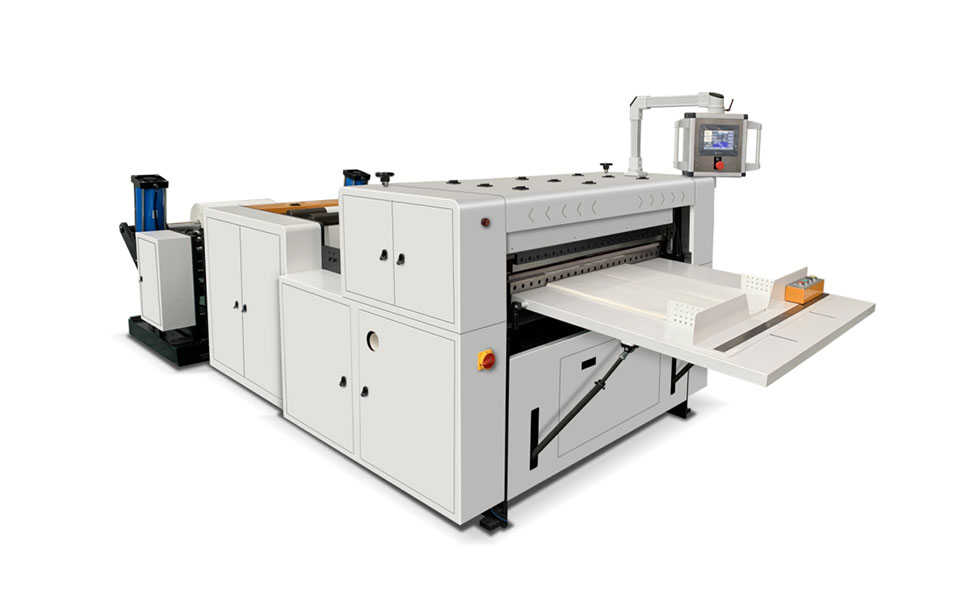
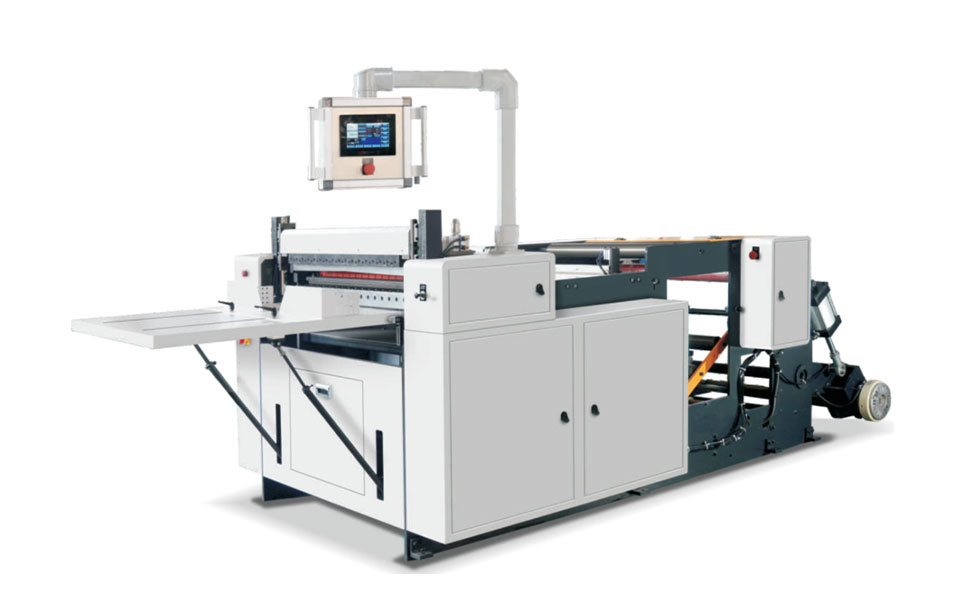
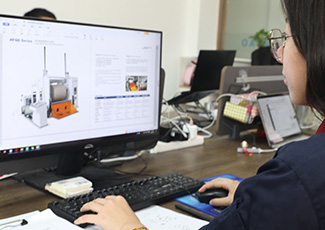
In various industries such as packaging, printing, textiles, and non-woven fabrics, roll-to-sheet cutting machines play a pivotal role. They convert continuous roll materials into flat sheets of specified sizes, which is a crucial link in the production process. Selecting a suitable roll-to-sheet cutting machine directly affects production efficiency, product quality, and overall operational costs. This article will comprehensively elaborate on the definition, key features, selection methods, and frequently asked questions of roll-to-sheet cutting machines to help you make an informed decision.
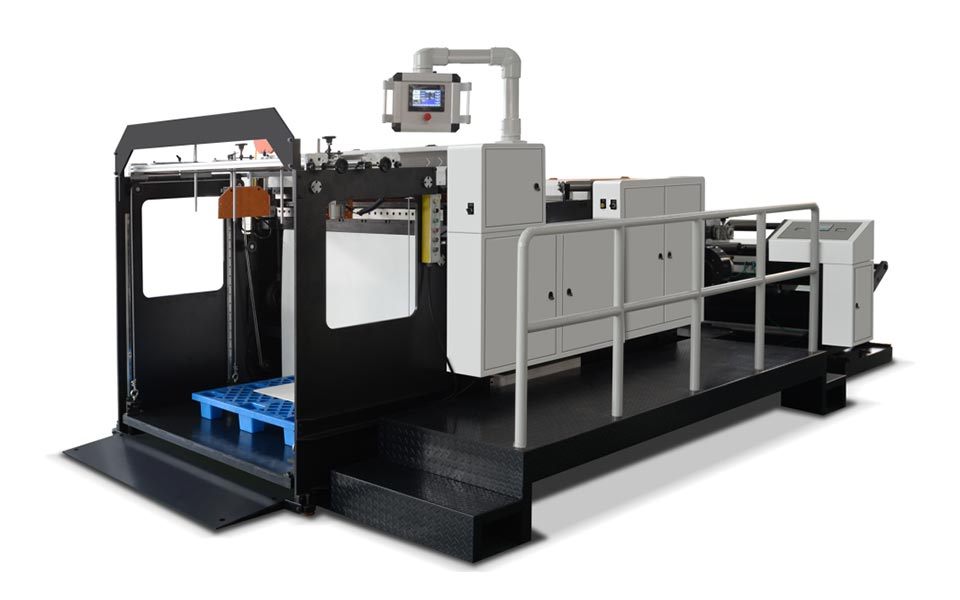
A roll to sheet cutting machine is a converting device that unwinds paper, film, foil, or other flexible materials from a roll and precisely cuts them into sheets of preset lengths. It is widely used in printing, packaging, labeling, and paper processing industries where accurate sheet size, clean edges, and high efficiency are required.
High Cutting Accuracy: Servo control systems ensure precise length cutting and consistent sheet size.
Wide Material Compatibility: Suitable for paper, cardboard, plastic films, aluminum foil, laminates, and more.
Adjustable Cutting Length: Easy setting of sheet length through touchscreen or digital control.
Stable Feeding System: Automatic tension control and guiding systems prevent material deviation.
High Production Efficiency: Capable of continuous, high-speed cutting for mass production.
Safety & Automation: Equipped with safety guards, sensors, and automatic counting/stacking functions.
When selecting a suitable machine, consider the following factors:
1. Material Type & Thickness
Ensure the machine can handle your material’s width, thickness, and rigidity without deformation or tearing.
2. Cutting Precision Requirements
For printing or packaging applications, choose servo-driven systems for higher accuracy and consistency.
3. Production Capacity
Match the machine speed and output with your daily or hourly production needs.
4. Maximum Roll Width & Sheet Size
Verify that the machine supports your maximum roll diameter and required sheet dimensions.
5. Automation Level
Advanced features like automatic counting, stacking, and waste removal can significantly reduce labor costs.
6. Ease of Operation & Maintenance
User-friendly interfaces, quick blade change, and easy maintenance improve long-term efficiency.
Choosing a suitable roll-to-sheet cutting machine is a rational decision-making process that starts with internal needs analysis, proceeds through detailed technical parameter matching, and concludes with a comprehensive supplier evaluation. Avoid blindly pursuing high speed or low price. Instead, select the machine that best matches your current production needs, offers some room for upgrades, and is backed by reliable service. A correctly chosen cutter will become a powerful tool for enhancing your competitiveness and achieving lean production.
Q1: What is the main difference between fully automatic and semi-automatic roll cutters?
A1: Fully automatic machines automate the entire process from loading, feeding, and cutting to stacking. They are fast and suitable for high-volume, continuous production. Semi-automatic machines often require manual assistance for loading or unloading sheets. They are slower and have a lower investment cost, making them suitable for flexible, small-batch, multi-variety production.
Q2: How do I choose the blade type (guillotine, rotary, shear cut)?
A2: Guillotine blades provide a clean, straight cut, suitable for paper, cardboard, etc. Rotary blades are ideal for continuous high-speed cutting of soft materials like film and thin paper. Shear cut blades offer the most precise edge, suitable for materials with extremely high edge-quality requirements. The choice depends on material characteristics.
Q3: What should be considered for daily maintenance?
A3: Regularly clean rails and transmission parts; keep blades sharp and sharpen or replace them on schedule; inspect and lubricate key moving parts; operate strictly according to procedures, avoiding overload.
Q4: What could be the reasons for a sudden drop in cutting accuracy?
A4: Possible causes include: worn or loose blades; wear or increased backlash in transmission parts; faulty or dirty measurement encoder; unstable material tension. The machine should be stopped for inspection, and service personnel should be contacted.

GET A QUOTE




 English
 Chinese
 Pусский
 Türkçe
 Deutsch
 Español